Specifications
- Capacity: 2-person, 3-person, 4-person, 6-person configurations
- Poles: 7001 series aluminium alloy, shock-corded sections
- Flysheet: 70D polyester, 2000mm+ hydrostatic head, UV-stabilized
- Inner tent: breathable polyester with mesh ventilation panels
- Groundsheet: 120D polyester, 3000mm HH, bathtub construction
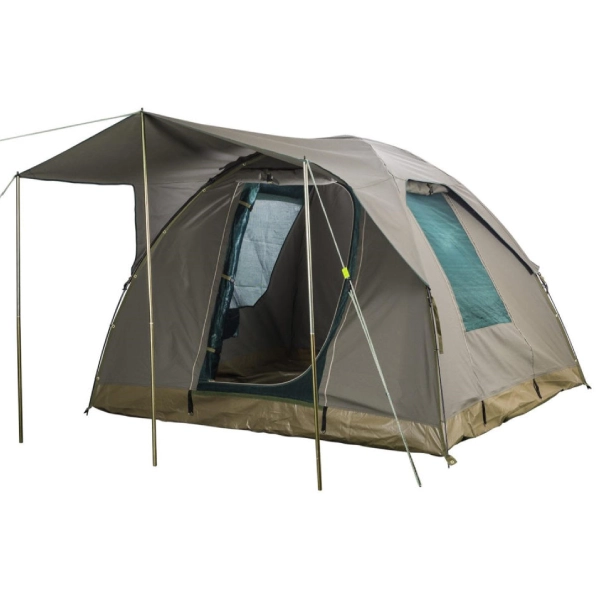
- Vestibule: one or two large vestibule porches on 4-person+ models
- Peak height: 130cm (2-person) to 175cm (6-person)
Bow Tent vs Dome Tent — Which to Choose
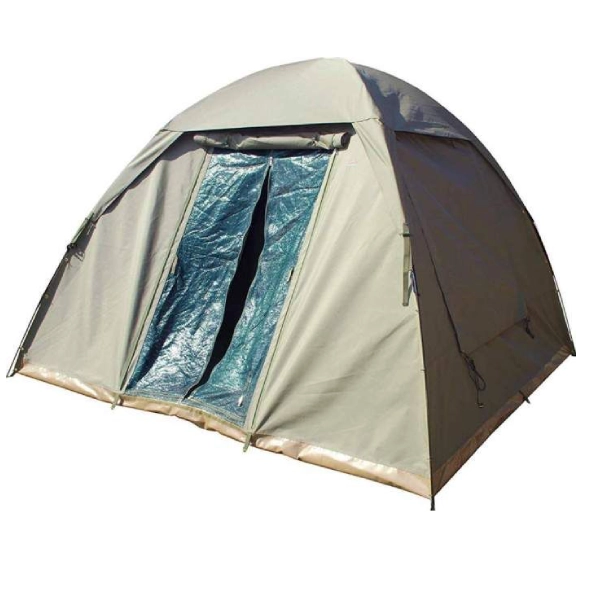
Dome tents are more wind-resistant and self-standing without pegs — a meaningful advantage in exposed or sandy terrain. Bow tents sacrifice some wind resistance in exchange for superior interior volume and easier access via full-height doors. For family camping at established campsites where comfort is the priority, the bow tent’s interior space typically wins. For exposed ridge, summit, or coastal locations where wind is the primary concern, a geodesic dome tent’s structural resistance justifies the trade-off.
Frequently Asked Questions
Do bow tents need pegs to stand?
Unlike dome tents, bow/tunnel tents are not fully self-standing — the parallel pole design requires end pegging to hold the tent’s shape. On soft ground, use appropriate sand anchors or screw pegs for secure anchoring.
Get a free quote: WhatsApp +27 083 786 6284 or email info@tentsforsalenigeria.com.